The Cunningham collection · S-1–S-2
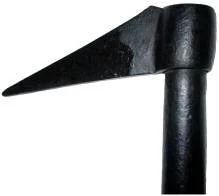
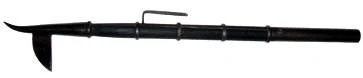
Tobikuchi To contain damage and keep flames from spreading, Edo-period hikeshi (firemen) would knock down existing structures using a tobikuchi to quickly pull down screens and siding, often even the supporting beams. Comprised of the homeless, the unemployed, former criminals, and so on, the hikeshi were renowned for getting into street brawls when they weren't busy fighting fires. The tobikuchi frequently served a convenient improvised self-defense weapon in such disputes. Copyright © 2009. Please do not use the photographs or the text on this site without permission. (Image use must include the statement: "Copyright © 2009. Photograph by Don Cunningham.")
— Don Cunningham, introduction to the catalogue pageSource A28
S-1 S-2 S-1
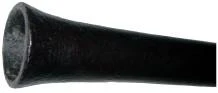
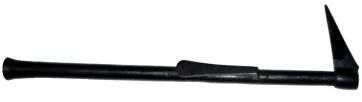
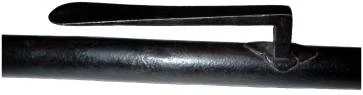
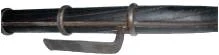
Tobikuchi This late Edo-period or Meiji-era tobikuchi is solid iron. Unlike the jutte, the long flat kagi was used to hook the tobikuchi in the obi.Source A28
Catalogue text and photographs by Don Cunningham. Copyright © 2009. Photograph by Don Cunningham.
Archived catalogue page · Link to this object
S-2
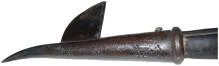
Tobikuchi This Edo-period tobikuchi is wood with several iron bands. The forged iron head is engraved with a signature, probably the original owner's name.Source A28
Catalogue text and photographs by Don Cunningham. Copyright © 2009. Photograph by Don Cunningham.
Archived catalogue page · Link to this object
Sources for this page A28 Cunningham collection, “Tobikuchi” . e-budokai.com/weapons/tobikuchi.htm · © 2009 (capture 2013-01-03) · Original organizational material D36 Owner’s confirmation of permission to republish the organization’s and Dr. Cunningham’s texts, photographs and graphics. project record, docs/rights-and-attribution.md · 2026-11-03 · Owner-supplied file Full source register and method