Ō-metsuke Inspector-General
Primarily honorary, recognizing extraordinary service or dedication. Any senior instructor could make the appointment, subject to the junior council’s approval.Source A42
The organization · 2009–2018
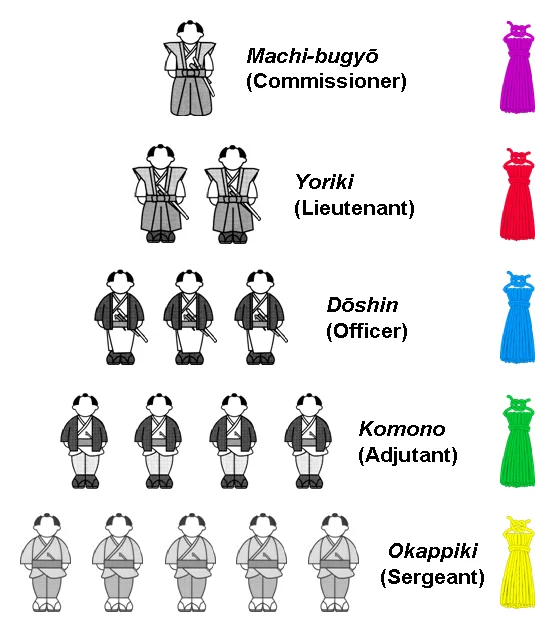
To avoid confusion with the kyū and dan grades of modern styles or the menkyo licences of classical schools, the organization named its levels after the echelons of feudal Japanese law enforcement. There were no coloured belts: members wore a jutte or tessen in the obi with a cord and tassel in the colour of their grade.Source A25
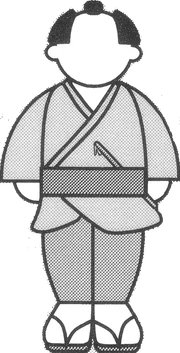
岡引
Entry grade. Historically, okappiki were unofficial police assistants — the lowest rank in Edo law enforcement, paid directly by the dōshin or through bounties.Source A25
Worn as a yellow or gold cord and tassel on the jutteSource A25
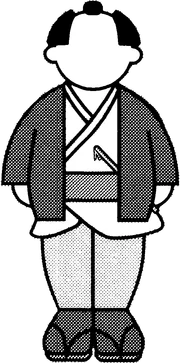
小者
Second grade. Komono were non-samurai assistants who accompanied the dōshin on patrol and became expert at capturing criminals.Source A25
Worn as a green cord and tassel on the jutteSource A25
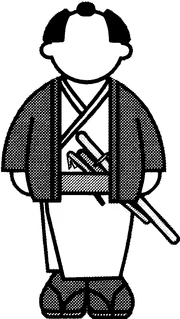
同心
Middle grade. Dōshin were low-ranking samurai and the primary patrol officers of Edo; the post passed mostly from father to son.Source A25
Worn as a blue cord and tassel on the jutteSource A25
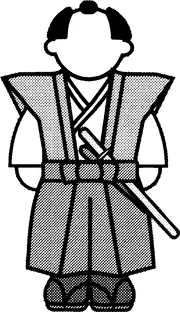
与力
Second-highest grade. The title means “helper” or “assistant”; yoriki were middle-ranking samurai who worked as managers and administrators.Source A25
Worn as a red cord and tassel on the jutteSource A25
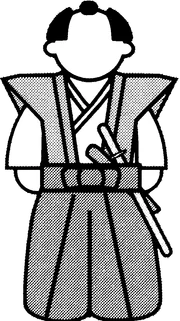
町奉行
Highest grade, held by members of the senior council. The historical machi-bugyō was the central authority — chief of police, judge and mayor for the townspeople.Source A25Source A21Source D41
Worn as a purple cord and tassel on the jutteSource A25
The cords and tassels above are modern illustrations drawn for this site.
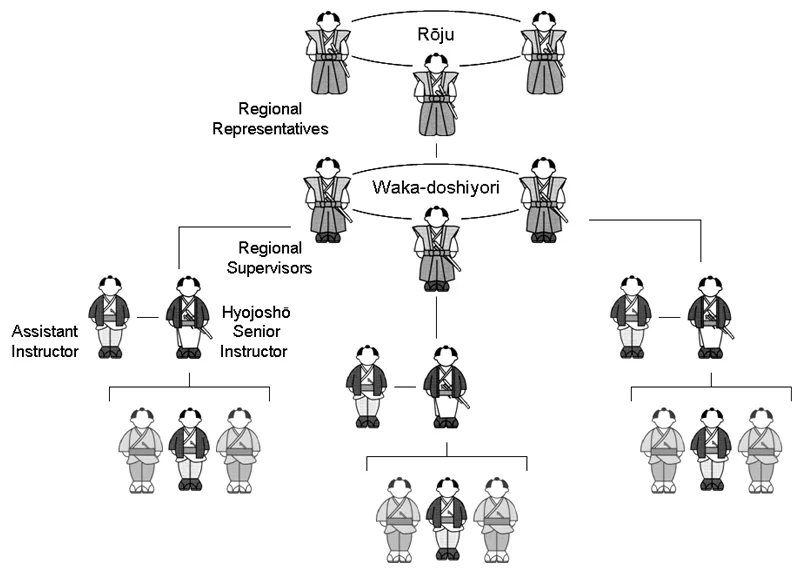
Members could take part in running the organization through advisory positions named after echelons of the Tokugawa government.Source A21
Made up of the regional representatives, who held the grade of Machi-bugyō. They advised the director on policy, administered their regions, approved school affiliations, promotions and instructor appointments, coordinated multi-dōjō seminars, could grade members up to Yoriki, appointed the junior council and settled grievances it could not resolve.Source A21
Senior members appointed by their regional representative — usually senior dōjō instructors — who advised the Rōju and the director, supervised at regional level and resolved members’ grievances. Minimum grade Dōshin; Yoriki preferred.Source A21
Senior instructors of individual dōjō, responsible for EMKTJ technical standards in their schools. They could promote members to Okappiki and Komono, and Yoriki-grade instructors could recommend promotion to Dōshin, subject to the regional representative’s approval.Source A21
Beyond the grades, two honorary titles recognized service and character. They are recorded on the taiho-jutsu.net ranking page.Source A42
Primarily honorary, recognizing extraordinary service or dedication. Any senior instructor could make the appointment, subject to the junior council’s approval.Source A42
Awarded only by the director to members whose character reflected the highest ethical behaviour and moral courage. Nominations came from members of at least Yoriki grade, with three independent written recommendations.Source A42
“Edo Machi-kata Taiho Jutsu is not a standalone, independent martial art system. Rather, it supplements existing training in traditional styles of jujutsu (unarmed techniques), as well as kenjutsu and iaido (swordsmanship).”Source A20
Applicants submitted a membership petition describing their martial arts experience and why they were interested in traditional taiho jutsu, by e-mail to the director or by post to a regional representative.Source A20Source A22 This describes the historical process (2009–2018); it is not an invitation to apply. About the petition form